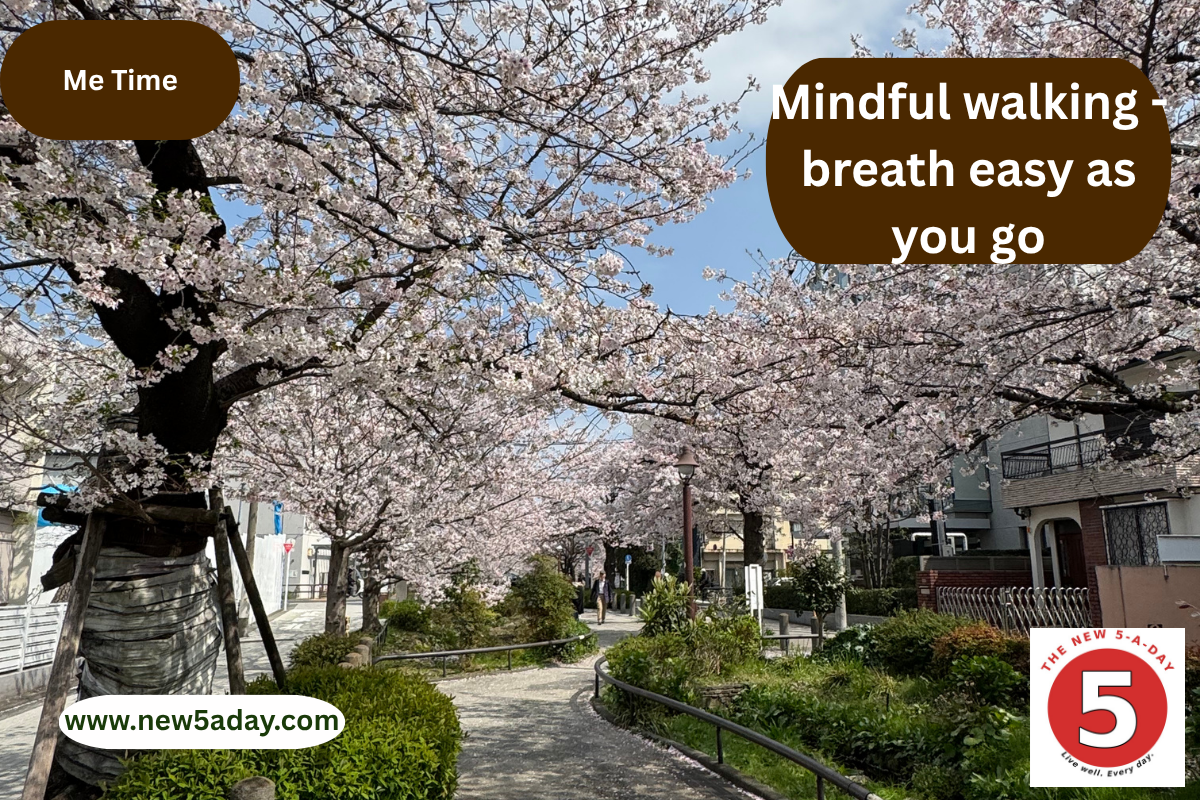
Mindful walking: be present with yourself and the world around you
Mindful walking is the simple practice of walking with your attention on what you are actually doing — your breath, your body, the world around you — rather than on the endless stream of thought that usually accompanies you. It costs nothing. It requires no equipment, no special location, and no particular fitness level. The research, while still developing, consistently points to meaningful reductions in stress and anxiety, modest improvements in mood, and a gentler kind of mental reset that most of us could use more of. This post is about what mindful walking is, why it works, and how to fit it into a life that already feels full.
Stronger every day: why strength training matters and how to fit it into a busy life
Strength training — using your muscles against a load — is one of the most powerful and underrated things you can do for your long-term health. It builds stronger bones, improves balance, reduces the risk of serious conditions like heart disease and type 2 diabetes, and helps you stay capable and confident as you age. It does not require a gym, expensive equipment, or hours of your time. As little as 30 to 60 minutes of strength activity spread across the week can make a meaningful difference. This post shows you exactly how to find that time — without overhauling your life.

Your daily building blocks - Macronutrients and getting the balance right
Carbohydrates, protein, and fats are the three macronutrients your body runs on every single day. You don’t need to count grams or follow a complicated plan to get the balance right. You just need to understand what each one does, where to find them in everyday foods, and a few simple ways to nudge your meals in a more nourishing direction.

Good morning! When is the best time to wake up?
There is no single best time to wake up that works for everyone — but there is a right approach for you. Your ideal wake-up time is one that fits your natural body clock, gives you enough sleep, and stays consistent from day to day. Getting light into your eyes soon after waking, moving your body, and anchoring your mornings to a steady time are the three habits that matter most. The specific hour is far less important than whether you can stick to it.

How Many Friends Do You Need?
Most of us have been conditioned to think that more friends means a better life. But the science tells a different story. What matters far more than the size of your social circle is the quality of the connections inside it — the friends who actually pick up the phone, remember what you told them last time, and show up when things get hard. Research suggests that a small handful of genuinely close friendships does more for your health and happiness than hundreds of shallow ones. And when it comes to online connections — the question is not whether they count, but whether they really function like friendships at all.
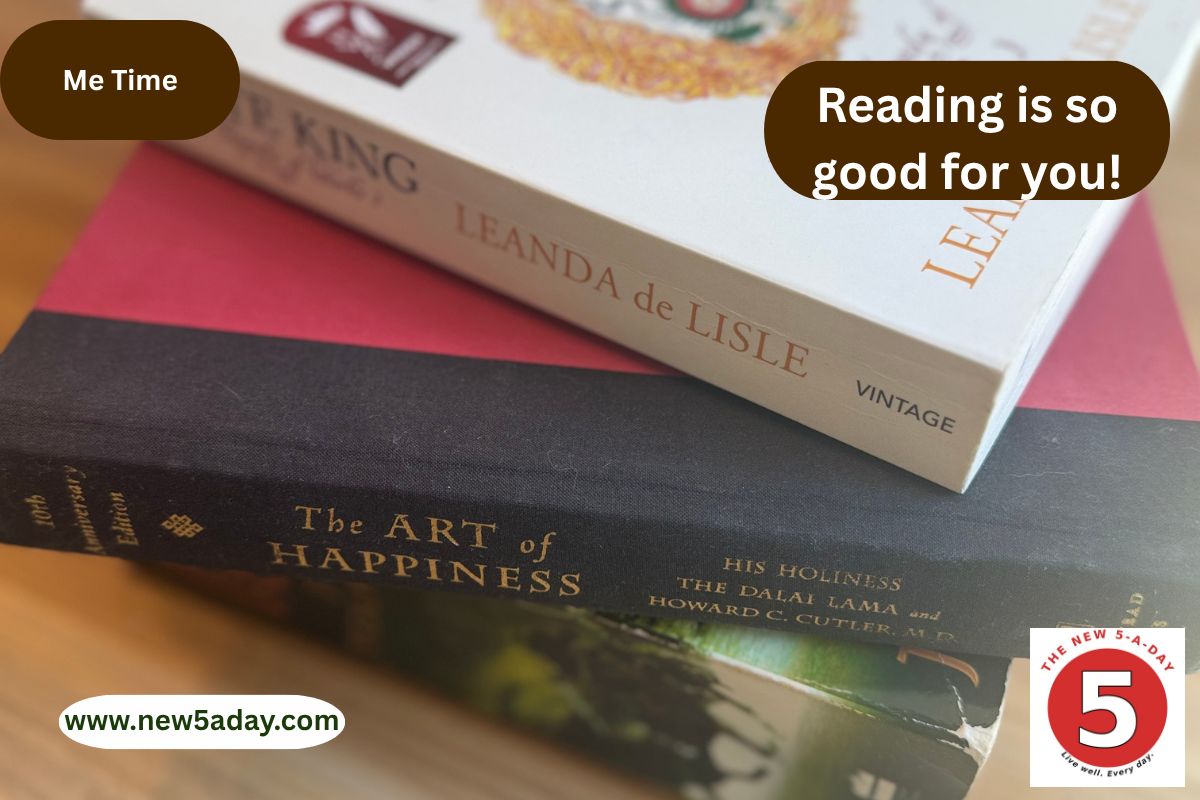
Reading is so good for you!
There is a particular kind of quiet that comes with reading. Not the absence of sound, exactly, but the presence of something else — a story, an idea, a voice that belongs to someone who is not you. It is one of the oldest forms of entertainment in the world, and also, it turns out, one of the most useful things you can do for your mental and emotional health.
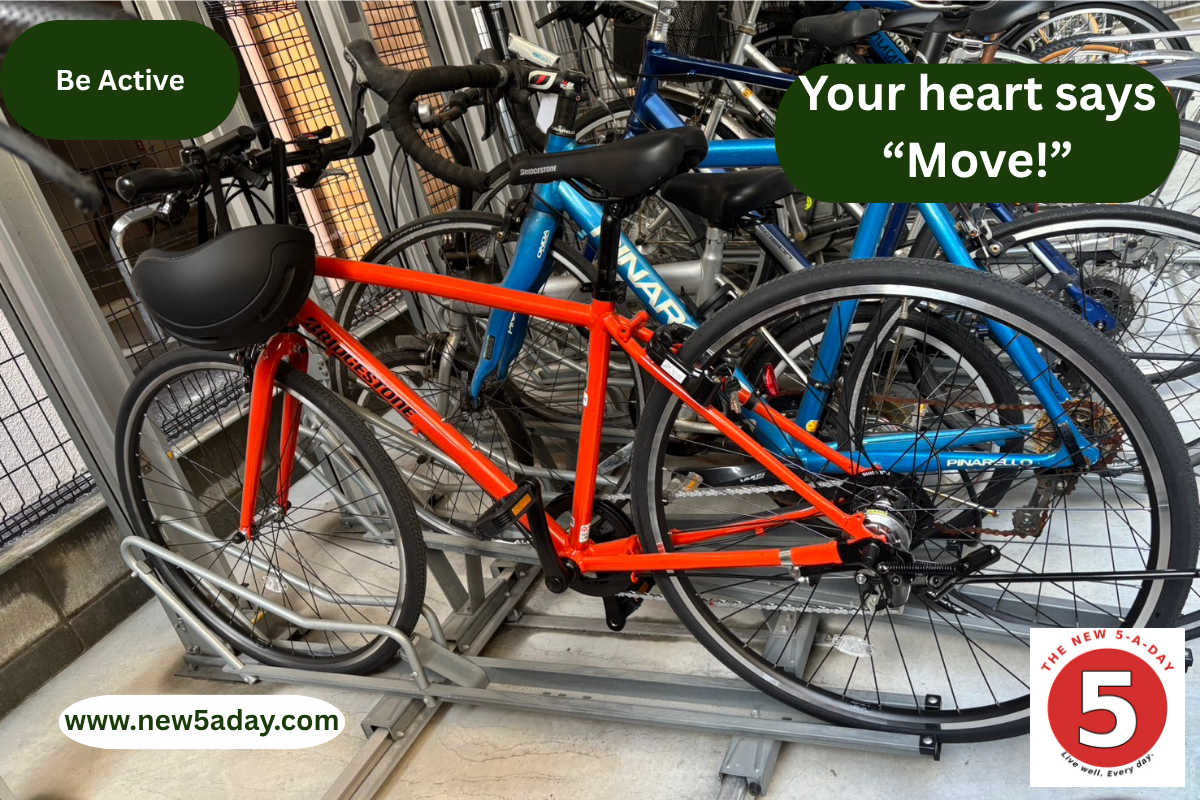
Your heart says “Move!”
Cardio — any activity that raises your heart rate for a sustained stretch of time — is one of the most powerful things you can do for your long-term health. It reduces the risk of heart disease, type 2 diabetes, and some cancers. It lifts mood, sharpens thinking, improves sleep, and gives you more energy for everyday life. The best part? You do not need a gym, a running kit, or a free hour. Small, consistent increases in daily movement are enough to make a real difference. This post will show you how to find them.

Go on - treat yourself!
A treat is not the enemy of a healthy diet — but it works best as the exception, not the rule. The foods you eat on a typical Tuesday have far more bearing on your health than the cake you had at Saturday's birthday party. When your everyday eating is built around nourishing, satisfying food, occasional treats fit in perfectly well. The problems arise when the treats gradually become the defaults. This post is about finding that line — and making the most of the right side of it.
The bedtime habit: how what you do before bed shapes how well you sleep
What you do in the hour or two before bed has a surprisingly big effect on how quickly you fall asleep and how well you stay asleep. Good bedtime habits — consistent timing, winding down gradually, dimming the lights, stepping away from screens — help your body and brain shift smoothly into sleep mode. Habits that work against you — late caffeine, alcohol, heavy meals, and staying mentally switched on until the moment your head hits the pillow — can make sleep harder to find, and harder to keep. The good news: small, consistent changes can make a genuine difference.
I’m too shy! Overcoming shyness to reach Your People
Shyness is one of the most common barriers to building the social connections that keep us healthy and happy. It is not a personality flaw, a character weakness, or a life sentence — it is a learned anxiety response, and it can be unlearned. The good news: you do not need to become a social butterfly to benefit. Small, consistent steps are enough to begin opening up your world, building confidence, and finding Your People.
Music - a soundtrack for peace and quiet
Music is one of the most accessible and genuinely effective tools for managing stress and anxiety — and the research behind it is more solid than you might expect. Regular listening to music you find calming can lower your heart rate, reduce stress hormones, ease anxiety, and improve the quality of your sleep. It works with other physical activities too, making your walks, stretches, and wind-down routines noticeably more restorative. You probably already have everything you need. All that remains is to press play.
Now touch your toes! Stretching is so good for you!
Stretching is one of the most underrated things you can do for your body. Done regularly, it improves flexibility and range of motion, keeps your joints moving freely, supports healthy posture, and can bring a genuine sense of calm. It does not require a gym, special kit, or hours of your time. A few minutes a day, done consistently, is enough to make everyday movement feel noticeably easier — and that matters more than most people realise.

How to live well in a world full of Ultra-Processed Food
Ultra-processed foods (UPFs) make up more than half of what most people in the UK eat — and the evidence linking high consumption to health problems is now substantial. But the goal isn’t to be afraid of every ingredient label. It’s to understand the overall pattern, make a few smart shifts, and give yourself permission to eat imperfectly in a world that wasn’t designed to make healthy eating easy.

Good night! When is the best time to go to bed..?
There is no single perfect bedtime — but there is a right approach for you. Your ideal bedtime is the one that gives you seven to nine hours of sleep, fits your natural body clock, and stays roughly consistent from night to night. Work backwards from when you need to wake up, pay attention to when you naturally feel sleepy, and prioritise keeping your schedule steady. The specific hour matters far less than whether you can actually stick to it.
Why human connection matters more than we think…
Human connection — with friends, family, colleagues, neighbours, and community — is not a lifestyle bonus. The research is unambiguous: strong social ties reduce the risk of depression, cardiovascular disease, cognitive decline, and early death. Loneliness, by contrast, carries health risks comparable to smoking 15 cigarettes a day. The quality of our relationships is one of the most powerful — and most overlooked — determinants of how well and how long we live.
A moment of calm: the psychological sigh
The psychological sigh — two short inhales through the nose, followed by one long exhale through the mouth — is one of the simplest and most accessible tools for real-time stress regulation. It works by activating the body's parasympathetic nervous system, and the evidence behind slow, exhale-focused breathing is genuinely compelling. It takes under a minute, requires nothing, and your body already knows how to do it.
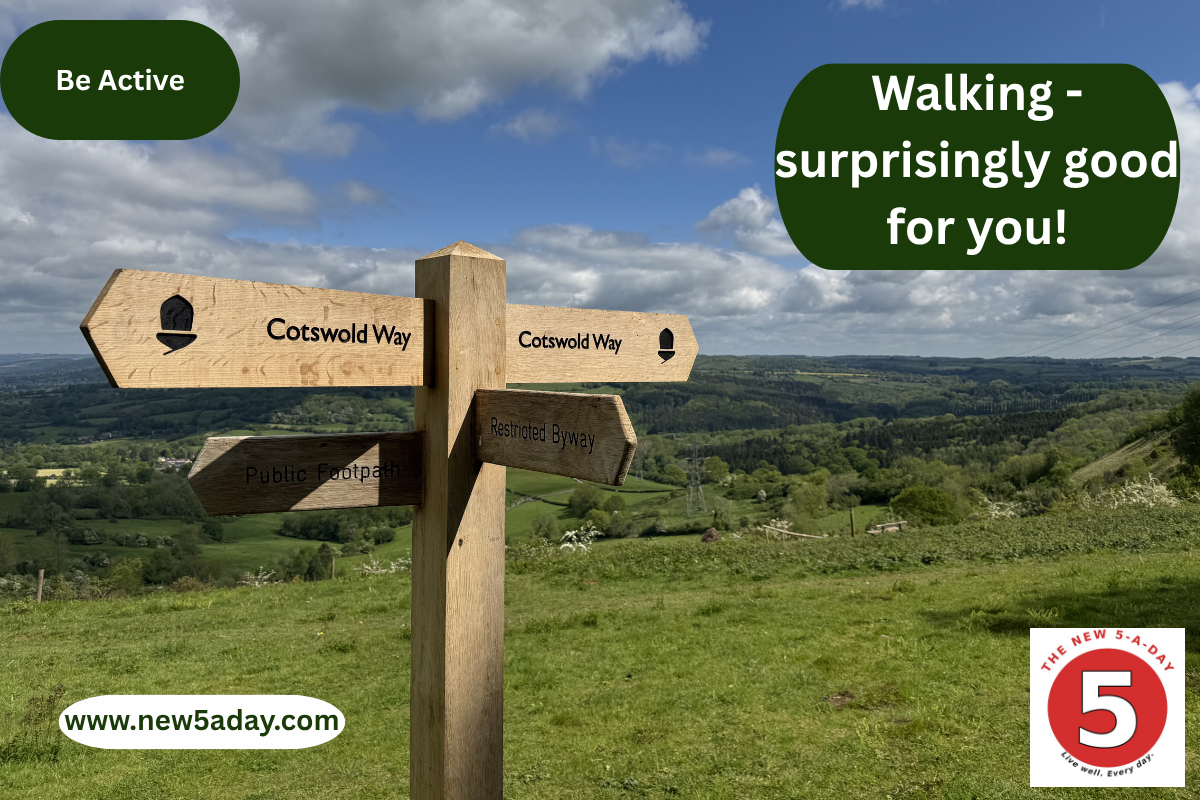
Walking is surprisingly good for you!
There is a persistent idea in our culture that exercise has to be hard to count. That unless you are sweating, tracking your heart rate, or grimacing at a spinning class, you probably haven't done enough. Walking — just walking — sits at the other end of the spectrum. It feels almost too ordinary to be exercise.
And that, rather surprisingly, is one of the most compelling things about it.
Walking is one of the most effective and accessible forms of exercise available. Regular walking reduces risk of heart disease, type 2 diabetes, and depression; improves mood, sleep, and brain health; and you do not need to walk 10,000 steps to benefit — research shows meaningful gains begin well below that. The best walk is the one you will actually do.
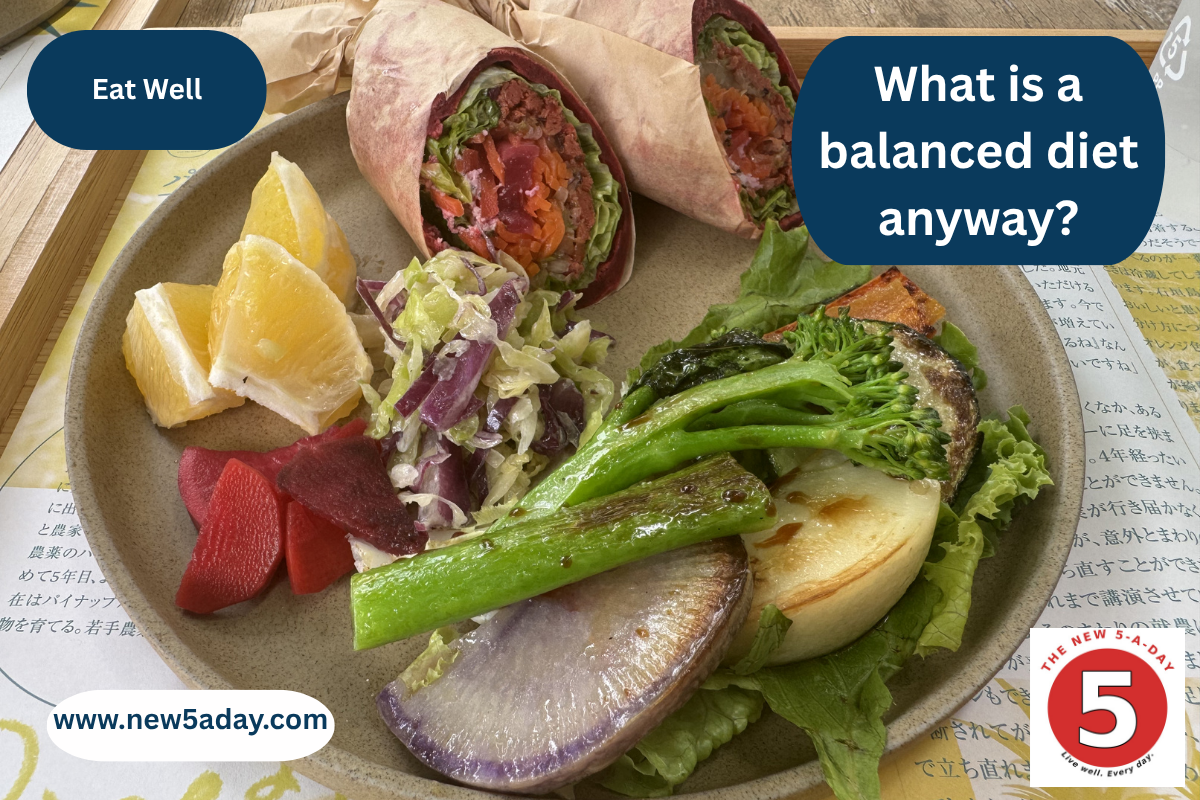
What is a balanced diet, anyway..?
If you’ve ever stood in a supermarket aisle feeling vaguely guilty about what’s in your trolley, or gone down a rabbit hole of contradictory nutrition advice online and emerged more confused than when you started — this post is for you.
“Eat a balanced diet” is one of those phrases that’s everywhere and means almost nothing on its own. Balanced how? Balanced compared to what? And does it have to involve giving up everything you enjoy?
The short answer: no, it doesn’t. The longer answer is actually more interesting — and a lot more reassuring — than most nutrition coverage would have you believe.
Sleep well 1 - How much sleep do we really need?
Most healthy adults need between 7 and 9 hours of sleep a night. That is not a suggestion or a lifestyle preference — it is what the evidence consistently shows, backed by sleep researchers and medical bodies around the world. Yet a significant number of people are regularly getting less, and most of them think they’re coping fine. This post looks at what sleep actually does for you, what happens when you cut it short, how to find your own personal sweet spot, and a few simple changes that make better sleep more likely — without requiring you to become a different person.

Your People - Pillar 5 of The New 5-a-day
Your People is Pillar 5 of the New 5-a-day because we all need someone or a group of people to connect with, to share with, to feel a bond with. Whether that is family, colleagues, old friends, or new, and whether you are confident or shy, extroverted or introverted, we will be looking at ways to engage with Your People to help you connect.