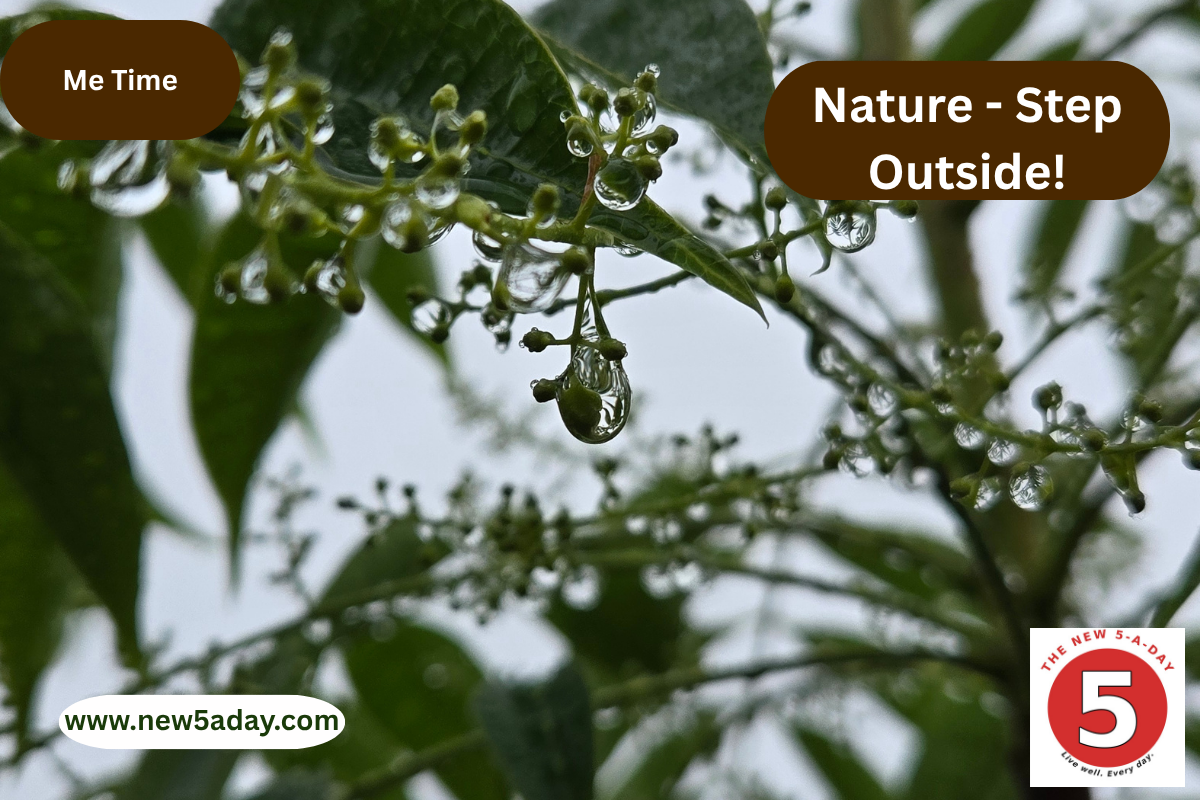
Step outside. The calming benefits of Nature
You do not need to drive to a national park or clear your weekend diary to get the benefits of nature. Research consistently shows that time spent in green and blue spaces — parks, canal towpaths, tree-lined streets, community gardens, and yes, the view from your window — is linked with lower stress, better mood, reduced anxiety, improved attention, and meaningful physical health benefits. Even fifteen to thirty minutes makes a measurable difference. This post is about what nature actually does for you, how to find it wherever you live, and how to build it into a life that is already full.

Keep stretching! The life-benefits of Flexibility
Flexibility — the ability of your muscles and joints to move freely through their full range — is one of those aspects of fitness that most of us take for granted until we notice it slipping away. Research consistently shows that flexibility declines with age, but the good news is that it responds remarkably well to regular, modest effort. Just five to ten minutes of stretching a day, done consistently, can meaningfully preserve and even restore range of motion. This post explains why flexibility matters so much as we get older, what the warning signs of stiffness look like, and how to build simple stretching habits into even the busiest day — without gym membership, special kit, or large blocks of time.

Hydration without the hype: keeping your fluids up
Water makes up around 60 per cent of your body and supports almost everything that keeps you functioning well — from regulating your temperature to helping your brain stay sharp. Staying properly hydrated is genuinely important. But the advice around it has become cluttered with oversimplified rules, viral challenges, and products that promise more than they deliver. The truth is more straightforward, and more reassuring, than the hype suggests. Most people do not need to track their intake obsessively, force litres of plain water on a rigid schedule, or invest in special hydration products to stay well hydrated. You need to drink regularly, pay attention to a few simple signals your body gives you, and know what actually counts — which is quite a lot more than you might think.

Good morning! Rise and shine!
The first hour of your day is quietly powerful. A few simple habits — a bit of daylight, a glass of water, a little movement, and a pause before you pick up your phone — can shift how alert, calm, and focused you feel for the rest of the day. A good morning routine is not the longest or most impressive one. It is the short, sensible one you can actually repeat most days. Start with one or two small things, keep them consistent, and build from there.

Colleagues - why work connections matter and how to get the balance right
The relationships you build with colleagues — inside and outside the workplace — are one of the most consistently overlooked contributors to how well and how happily you move through working life. Good colleague connections reduce stress, increase engagement, and make even difficult weeks feel more manageable. They do not require you to become someone you are not. They do not demand a full social calendar or an open-door policy on your inner life. They require something smaller and more sustainable: a little warmth, some consistency, and knowing where your own limits lie. This post explains the evidence, explores the balance, and offers practical ways in — especially if the idea of workplace socialising makes you want to eat lunch alone in a stairwell.

Mindful walking: be present with yourself and the world around you
Mindful walking is the simple practice of walking with your attention on what you are actually doing — your breath, your body, the world around you — rather than on the endless stream of thought that usually accompanies you. It costs nothing. It requires no equipment, no special location, and no particular fitness level. The research, while still developing, consistently points to meaningful reductions in stress and anxiety, modest improvements in mood, and a gentler kind of mental reset that most of us could use more of. This post is about what mindful walking is, why it works, and how to fit it into a life that already feels full.

Stronger every day: why strength training matters and how to fit it into a busy life
Strength training — using your muscles against a load — is one of the most powerful and underrated things you can do for your long-term health. It builds stronger bones, improves balance, reduces the risk of serious conditions like heart disease and type 2 diabetes, and helps you stay capable and confident as you age. It does not require a gym, expensive equipment, or hours of your time. As little as 30 to 60 minutes of strength activity spread across the week can make a meaningful difference. This post shows you exactly how to find that time — without overhauling your life.

Reading is so good for you!
There is a particular kind of quiet that comes with reading. Not the absence of sound, exactly, but the presence of something else — a story, an idea, a voice that belongs to someone who is not you. It is one of the oldest forms of entertainment in the world, and also, it turns out, one of the most useful things you can do for your mental and emotional health.

Your heart says “Move!”
Cardio — any activity that raises your heart rate for a sustained stretch of time — is one of the most powerful things you can do for your long-term health. It reduces the risk of heart disease, type 2 diabetes, and some cancers. It lifts mood, sharpens thinking, improves sleep, and gives you more energy for everyday life. The best part? You do not need a gym, a running kit, or a free hour. Small, consistent increases in daily movement are enough to make a real difference. This post will show you how to find them.

Go on - treat yourself!
A treat is not the enemy of a healthy diet — but it works best as the exception, not the rule. The foods you eat on a typical Tuesday have far more bearing on your health than the cake you had at Saturday's birthday party. When your everyday eating is built around nourishing, satisfying food, occasional treats fit in perfectly well. The problems arise when the treats gradually become the defaults. This post is about finding that line — and making the most of the right side of it.

The bedtime habit: how what you do before bed shapes how well you sleep
What you do in the hour or two before bed has a surprisingly big effect on how quickly you fall asleep and how well you stay asleep. Good bedtime habits — consistent timing, winding down gradually, dimming the lights, stepping away from screens — help your body and brain shift smoothly into sleep mode. Habits that work against you — late caffeine, alcohol, heavy meals, and staying mentally switched on until the moment your head hits the pillow — can make sleep harder to find, and harder to keep. The good news: small, consistent changes can make a genuine difference.

Sleep well 1 - How much sleep do we really need?
Most healthy adults need between 7 and 9 hours of sleep a night. That is not a suggestion or a lifestyle preference — it is what the evidence consistently shows, backed by sleep researchers and medical bodies around the world. Yet a significant number of people are regularly getting less, and most of them think they’re coping fine. This post looks at what sleep actually does for you, what happens when you cut it short, how to find your own personal sweet spot, and a few simple changes that make better sleep more likely — without requiring you to become a different person.

Your People - Pillar 5 of The New 5-a-day
Your People is Pillar 5 of the New 5-a-day because we all need someone or a group of people to connect with, to share with, to feel a bond with. Whether that is family, colleagues, old friends, or new, and whether you are confident or shy, extroverted or introverted, we will be looking at ways to engage with Your People to help you connect.

Me Time - Pillar 4 of the New 5-a-day
Me-Time is Pillar 4 of the New 5-a-day. More and more people are experiencing stress, anxiety, and other mental health conditions in today’s busy world. Finding some time for yourself is key to helping manage those moments when life gets too much. Whether it is a few seconds to focus on your breath, a walk in the park, or a weekend away, spend some time on yourself and you will feel the rewards.

Be active - Pillar 3 of the New 5-a-day
Be Active is Pillar 3 of the New 5-a-day. Being active and getting some activity are key to living our best lives and having the best possible life-span and health-span. We are not trying to make marathon runners out of everyone - we just want to help you be 1% better today than you were yesterday, and 1% better tomorrow than you are today.

Eat Well - Pillar 2 of the New 5-a-day
Eat Well is Pillar 2 of the New 5-a-day. Eating the best we can is so important to being healthy and active, but the sheer volume of conflicting advice can be daunting. We will share practical, actionable insights to help you eat well every day.