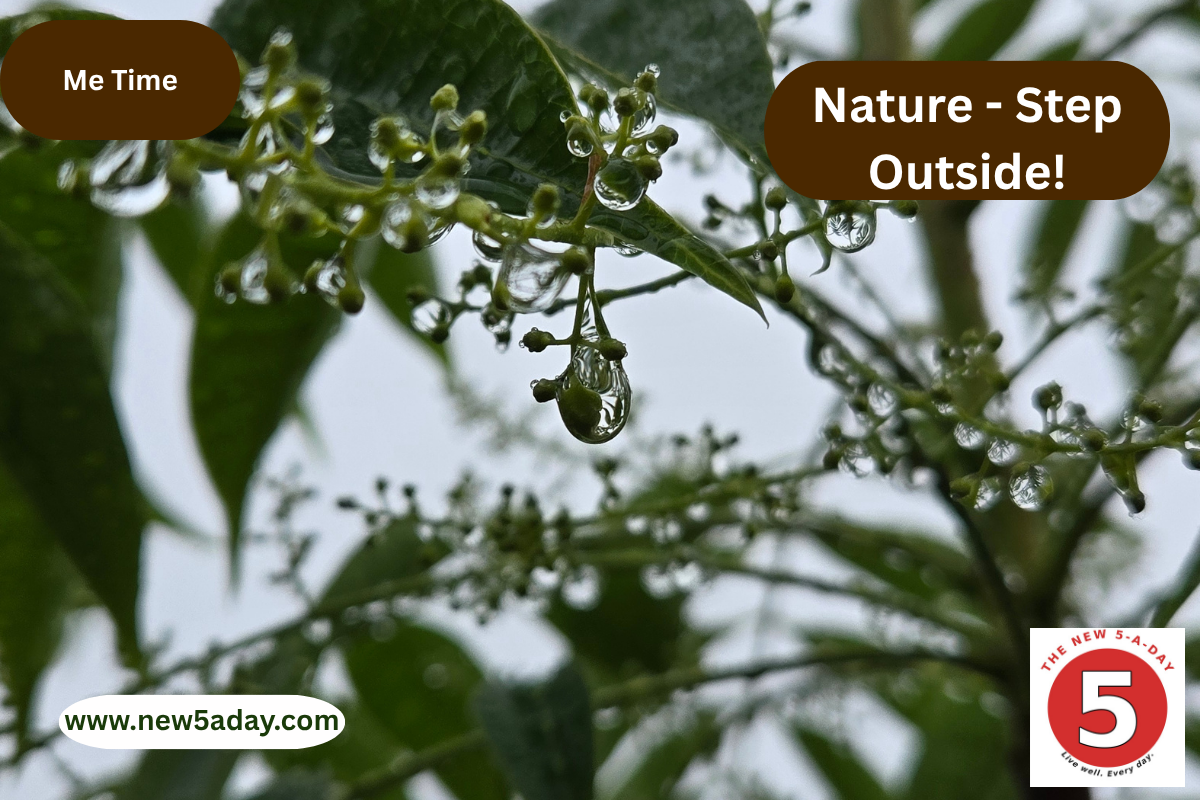
Step outside. The calming benefits of Nature
You do not need to drive to a national park or clear your weekend diary to get the benefits of nature. Research consistently shows that time spent in green and blue spaces — parks, canal towpaths, tree-lined streets, community gardens, and yes, the view from your window — is linked with lower stress, better mood, reduced anxiety, improved attention, and meaningful physical health benefits. Even fifteen to thirty minutes makes a measurable difference. This post is about what nature actually does for you, how to find it wherever you live, and how to build it into a life that is already full.

Keep stretching! The life-benefits of Flexibility
Flexibility — the ability of your muscles and joints to move freely through their full range — is one of those aspects of fitness that most of us take for granted until we notice it slipping away. Research consistently shows that flexibility declines with age, but the good news is that it responds remarkably well to regular, modest effort. Just five to ten minutes of stretching a day, done consistently, can meaningfully preserve and even restore range of motion. This post explains why flexibility matters so much as we get older, what the warning signs of stiffness look like, and how to build simple stretching habits into even the busiest day — without gym membership, special kit, or large blocks of time.

Hydration without the hype: keeping your fluids up
Water makes up around 60 per cent of your body and supports almost everything that keeps you functioning well — from regulating your temperature to helping your brain stay sharp. Staying properly hydrated is genuinely important. But the advice around it has become cluttered with oversimplified rules, viral challenges, and products that promise more than they deliver. The truth is more straightforward, and more reassuring, than the hype suggests. Most people do not need to track their intake obsessively, force litres of plain water on a rigid schedule, or invest in special hydration products to stay well hydrated. You need to drink regularly, pay attention to a few simple signals your body gives you, and know what actually counts — which is quite a lot more than you might think.

Good morning! Rise and shine!
The first hour of your day is quietly powerful. A few simple habits — a bit of daylight, a glass of water, a little movement, and a pause before you pick up your phone — can shift how alert, calm, and focused you feel for the rest of the day. A good morning routine is not the longest or most impressive one. It is the short, sensible one you can actually repeat most days. Start with one or two small things, keep them consistent, and build from there.

Colleagues - why work connections matter and how to get the balance right
The relationships you build with colleagues — inside and outside the workplace — are one of the most consistently overlooked contributors to how well and how happily you move through working life. Good colleague connections reduce stress, increase engagement, and make even difficult weeks feel more manageable. They do not require you to become someone you are not. They do not demand a full social calendar or an open-door policy on your inner life. They require something smaller and more sustainable: a little warmth, some consistency, and knowing where your own limits lie. This post explains the evidence, explores the balance, and offers practical ways in — especially if the idea of workplace socialising makes you want to eat lunch alone in a stairwell.

Good morning! When is the best time to wake up?
There is no single best time to wake up that works for everyone — but there is a right approach for you. Your ideal wake-up time is one that fits your natural body clock, gives you enough sleep, and stays consistent from day to day. Getting light into your eyes soon after waking, moving your body, and anchoring your mornings to a steady time are the three habits that matter most. The specific hour is far less important than whether you can stick to it.

How Many Friends Do You Need?
Most of us have been conditioned to think that more friends means a better life. But the science tells a different story. What matters far more than the size of your social circle is the quality of the connections inside it — the friends who actually pick up the phone, remember what you told them last time, and show up when things get hard. Research suggests that a small handful of genuinely close friendships does more for your health and happiness than hundreds of shallow ones. And when it comes to online connections — the question is not whether they count, but whether they really function like friendships at all.

Reading is so good for you!
There is a particular kind of quiet that comes with reading. Not the absence of sound, exactly, but the presence of something else — a story, an idea, a voice that belongs to someone who is not you. It is one of the oldest forms of entertainment in the world, and also, it turns out, one of the most useful things you can do for your mental and emotional health.

I’m too shy! Overcoming shyness to reach Your People
Shyness is one of the most common barriers to building the social connections that keep us healthy and happy. It is not a personality flaw, a character weakness, or a life sentence — it is a learned anxiety response, and it can be unlearned. The good news: you do not need to become a social butterfly to benefit. Small, consistent steps are enough to begin opening up your world, building confidence, and finding Your People.

A moment of calm: the psychological sigh
The psychological sigh — two short inhales through the nose, followed by one long exhale through the mouth — is one of the simplest and most accessible tools for real-time stress regulation. It works by activating the body's parasympathetic nervous system, and the evidence behind slow, exhale-focused breathing is genuinely compelling. It takes under a minute, requires nothing, and your body already knows how to do it.

Your People - Pillar 5 of The New 5-a-day
Your People is Pillar 5 of the New 5-a-day because we all need someone or a group of people to connect with, to share with, to feel a bond with. Whether that is family, colleagues, old friends, or new, and whether you are confident or shy, extroverted or introverted, we will be looking at ways to engage with Your People to help you connect.

Me Time - Pillar 4 of the New 5-a-day
Me-Time is Pillar 4 of the New 5-a-day. More and more people are experiencing stress, anxiety, and other mental health conditions in today’s busy world. Finding some time for yourself is key to helping manage those moments when life gets too much. Whether it is a few seconds to focus on your breath, a walk in the park, or a weekend away, spend some time on yourself and you will feel the rewards.

Be active - Pillar 3 of the New 5-a-day
Be Active is Pillar 3 of the New 5-a-day. Being active and getting some activity are key to living our best lives and having the best possible life-span and health-span. We are not trying to make marathon runners out of everyone - we just want to help you be 1% better today than you were yesterday, and 1% better tomorrow than you are today.

Eat Well - Pillar 2 of the New 5-a-day
Eat Well is Pillar 2 of the New 5-a-day. Eating the best we can is so important to being healthy and active, but the sheer volume of conflicting advice can be daunting. We will share practical, actionable insights to help you eat well every day.