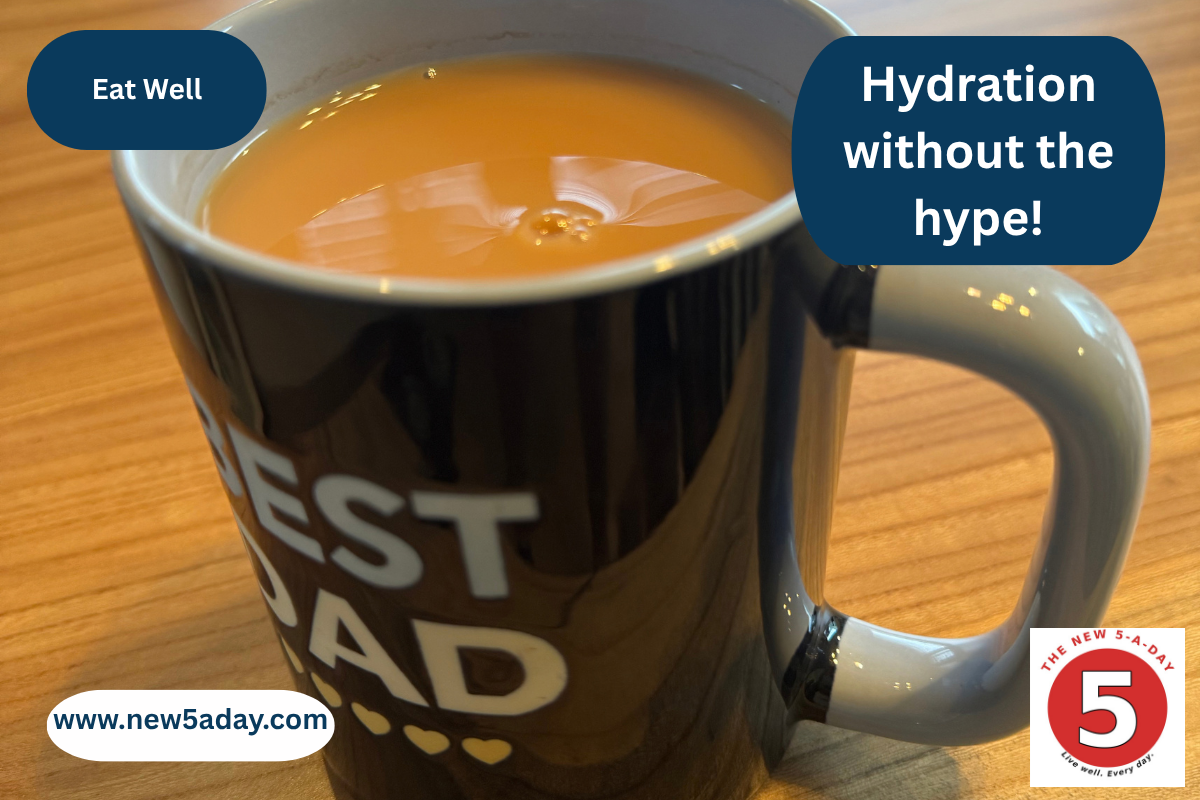
Hydration without the hype: keeping your fluids up
Water makes up around 60 per cent of your body and supports almost everything that keeps you functioning well — from regulating your temperature to helping your brain stay sharp. Staying properly hydrated is genuinely important. But the advice around it has become cluttered with oversimplified rules, viral challenges, and products that promise more than they deliver. The truth is more straightforward, and more reassuring, than the hype suggests. Most people do not need to track their intake obsessively, force litres of plain water on a rigid schedule, or invest in special hydration products to stay well hydrated. You need to drink regularly, pay attention to a few simple signals your body gives you, and know what actually counts — which is quite a lot more than you might think.

Good morning! Rise and shine!
The first hour of your day is quietly powerful. A few simple habits — a bit of daylight, a glass of water, a little movement, and a pause before you pick up your phone — can shift how alert, calm, and focused you feel for the rest of the day. A good morning routine is not the longest or most impressive one. It is the short, sensible one you can actually repeat most days. Start with one or two small things, keep them consistent, and build from there.

Colleagues - why work connections matter and how to get the balance right
The relationships you build with colleagues — inside and outside the workplace — are one of the most consistently overlooked contributors to how well and how happily you move through working life. Good colleague connections reduce stress, increase engagement, and make even difficult weeks feel more manageable. They do not require you to become someone you are not. They do not demand a full social calendar or an open-door policy on your inner life. They require something smaller and more sustainable: a little warmth, some consistency, and knowing where your own limits lie. This post explains the evidence, explores the balance, and offers practical ways in — especially if the idea of workplace socialising makes you want to eat lunch alone in a stairwell.
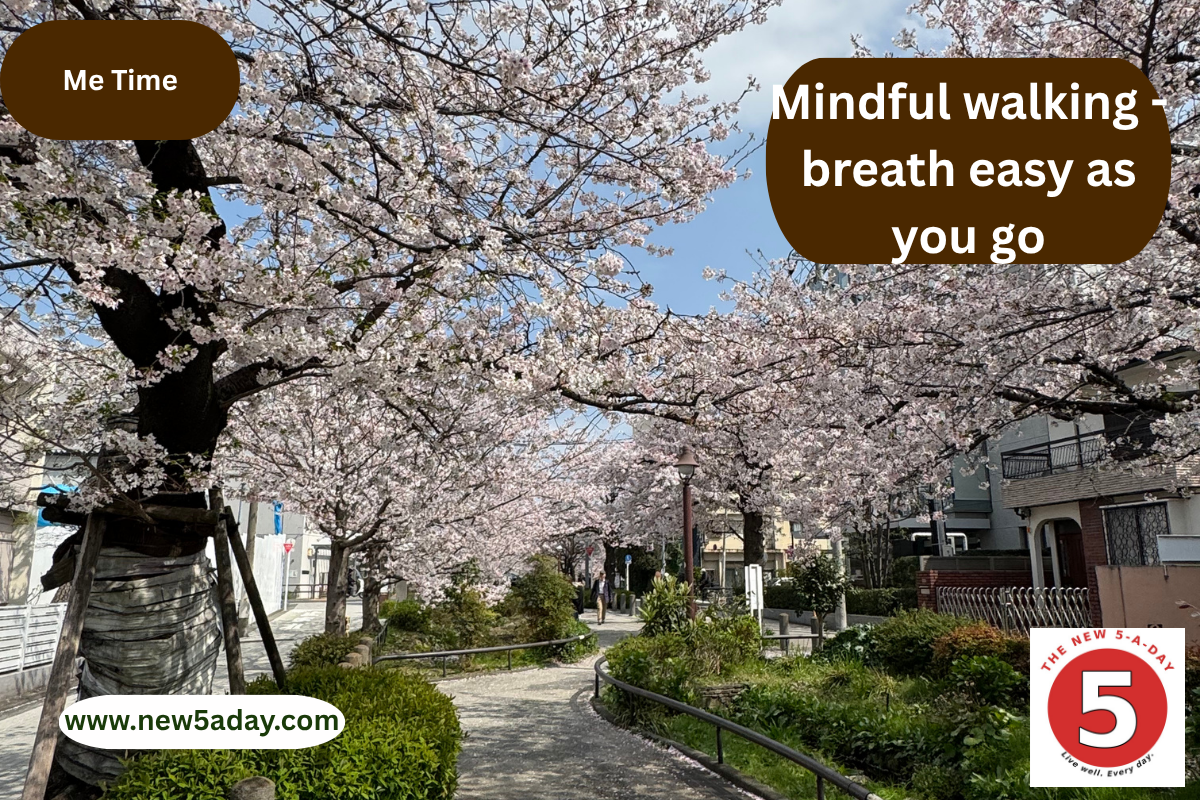
Mindful walking: be present with yourself and the world around you
Mindful walking is the simple practice of walking with your attention on what you are actually doing — your breath, your body, the world around you — rather than on the endless stream of thought that usually accompanies you. It costs nothing. It requires no equipment, no special location, and no particular fitness level. The research, while still developing, consistently points to meaningful reductions in stress and anxiety, modest improvements in mood, and a gentler kind of mental reset that most of us could use more of. This post is about what mindful walking is, why it works, and how to fit it into a life that already feels full.
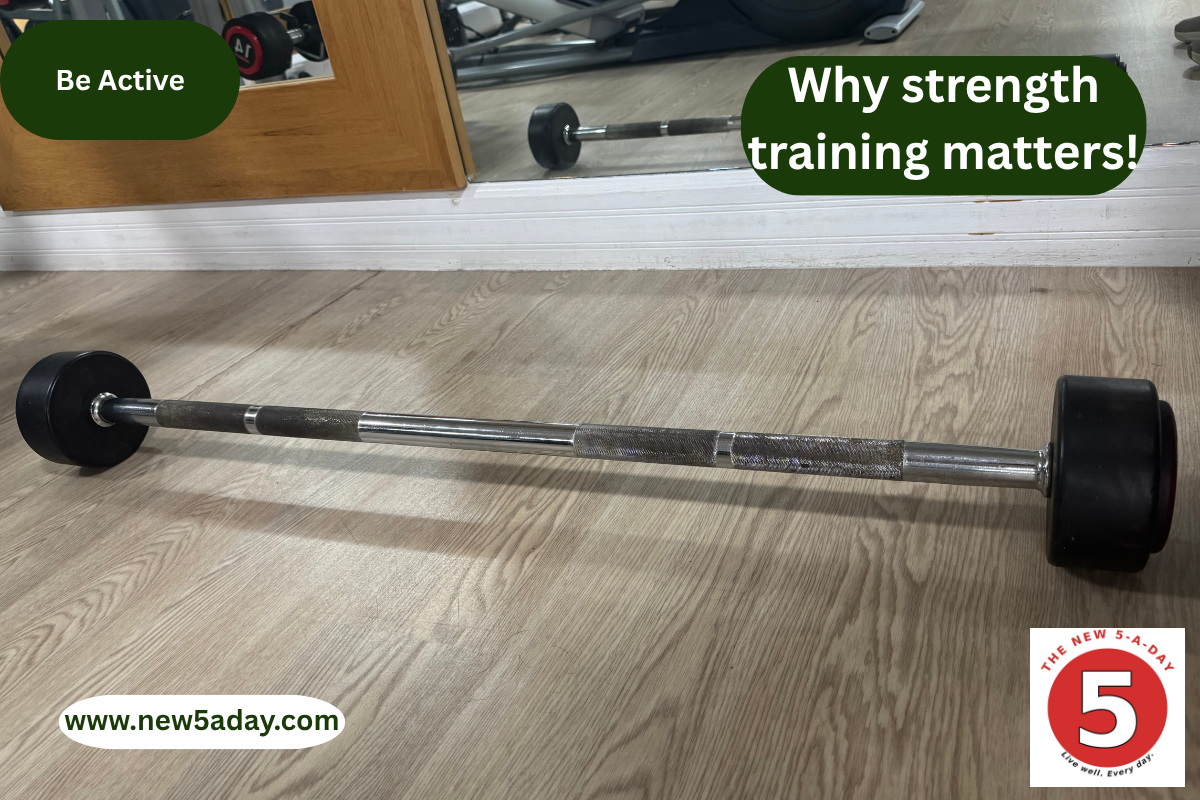
Stronger every day: why strength training matters and how to fit it into a busy life
Strength training — using your muscles against a load — is one of the most powerful and underrated things you can do for your long-term health. It builds stronger bones, improves balance, reduces the risk of serious conditions like heart disease and type 2 diabetes, and helps you stay capable and confident as you age. It does not require a gym, expensive equipment, or hours of your time. As little as 30 to 60 minutes of strength activity spread across the week can make a meaningful difference. This post shows you exactly how to find that time — without overhauling your life.

Your daily building blocks - Macronutrients and getting the balance right
Carbohydrates, protein, and fats are the three macronutrients your body runs on every single day. You don’t need to count grams or follow a complicated plan to get the balance right. You just need to understand what each one does, where to find them in everyday foods, and a few simple ways to nudge your meals in a more nourishing direction.

Reading is so good for you!
There is a particular kind of quiet that comes with reading. Not the absence of sound, exactly, but the presence of something else — a story, an idea, a voice that belongs to someone who is not you. It is one of the oldest forms of entertainment in the world, and also, it turns out, one of the most useful things you can do for your mental and emotional health.
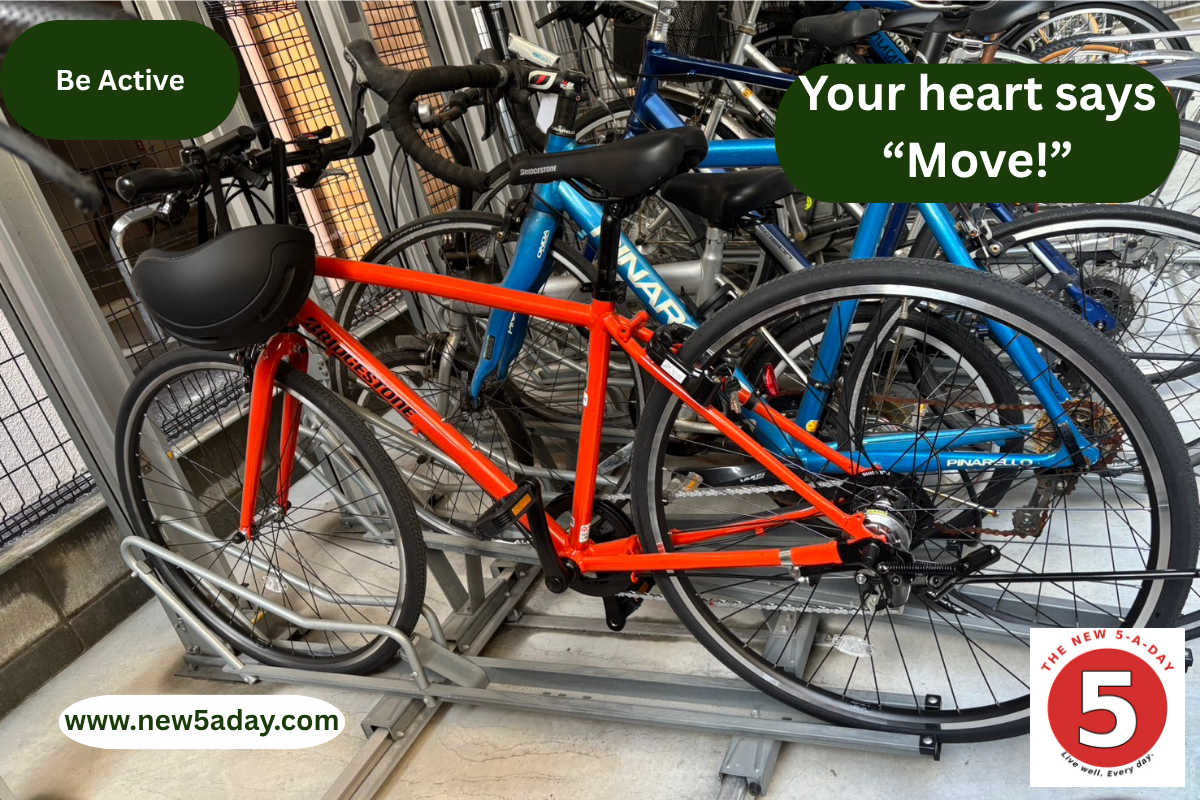
Your heart says “Move!”
Cardio — any activity that raises your heart rate for a sustained stretch of time — is one of the most powerful things you can do for your long-term health. It reduces the risk of heart disease, type 2 diabetes, and some cancers. It lifts mood, sharpens thinking, improves sleep, and gives you more energy for everyday life. The best part? You do not need a gym, a running kit, or a free hour. Small, consistent increases in daily movement are enough to make a real difference. This post will show you how to find them.
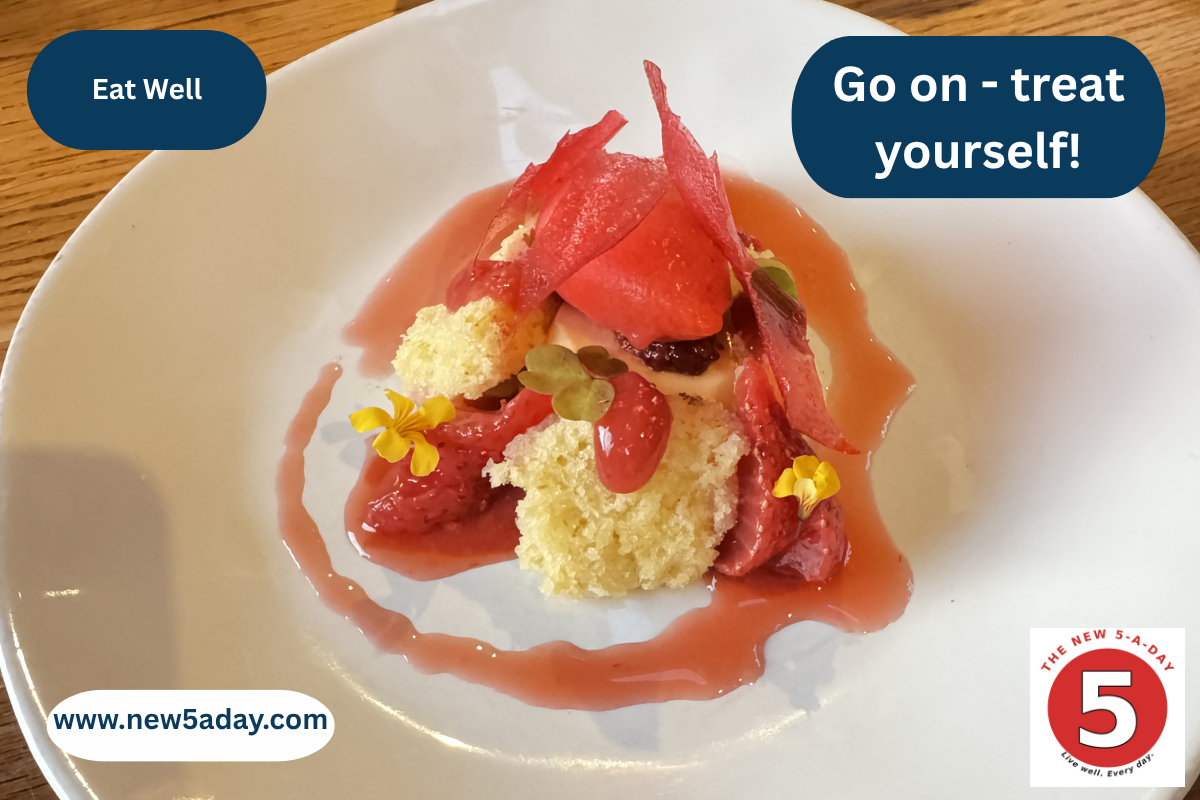
Go on - treat yourself!
A treat is not the enemy of a healthy diet — but it works best as the exception, not the rule. The foods you eat on a typical Tuesday have far more bearing on your health than the cake you had at Saturday's birthday party. When your everyday eating is built around nourishing, satisfying food, occasional treats fit in perfectly well. The problems arise when the treats gradually become the defaults. This post is about finding that line — and making the most of the right side of it.
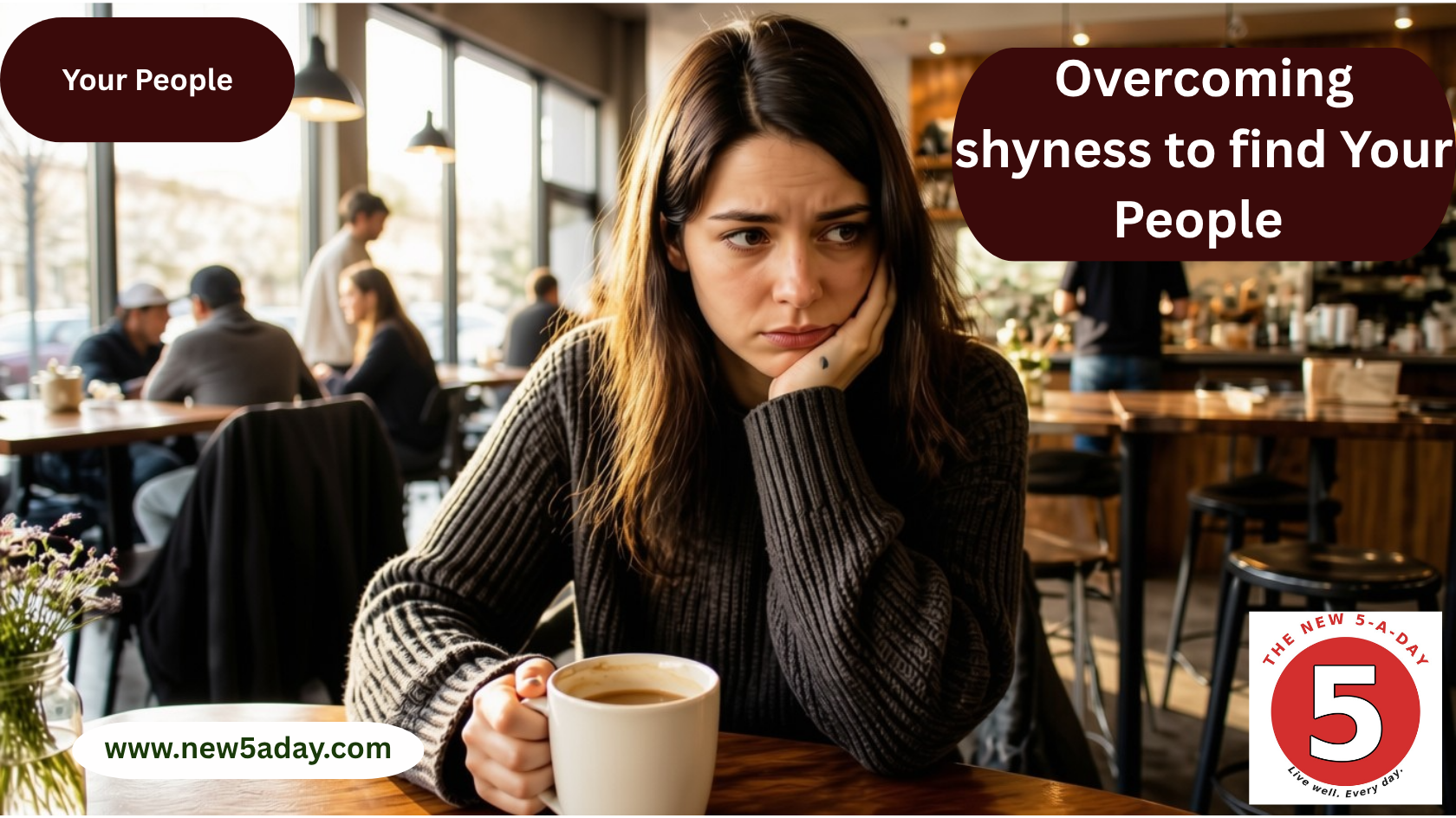
I’m too shy! Overcoming shyness to reach Your People
Shyness is one of the most common barriers to building the social connections that keep us healthy and happy. It is not a personality flaw, a character weakness, or a life sentence — it is a learned anxiety response, and it can be unlearned. The good news: you do not need to become a social butterfly to benefit. Small, consistent steps are enough to begin opening up your world, building confidence, and finding Your People.
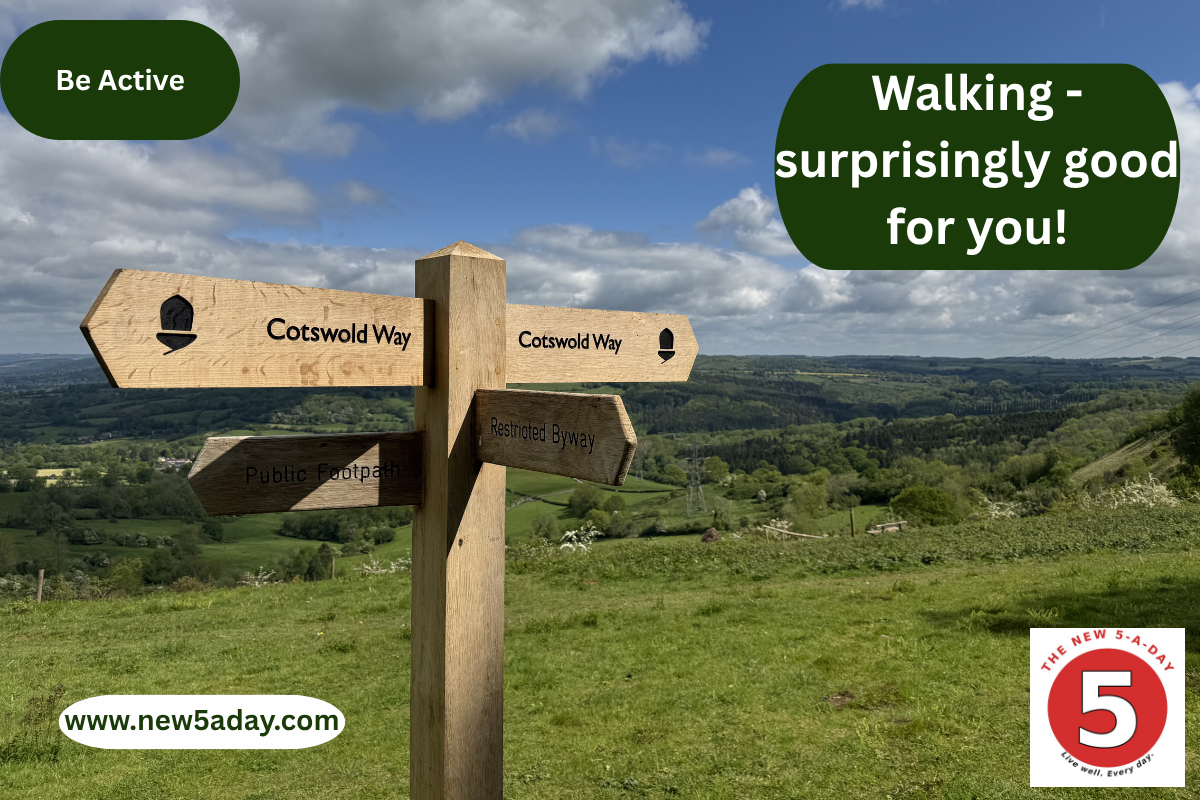
Walking is surprisingly good for you!
There is a persistent idea in our culture that exercise has to be hard to count. That unless you are sweating, tracking your heart rate, or grimacing at a spinning class, you probably haven't done enough. Walking — just walking — sits at the other end of the spectrum. It feels almost too ordinary to be exercise.
And that, rather surprisingly, is one of the most compelling things about it.
Walking is one of the most effective and accessible forms of exercise available. Regular walking reduces risk of heart disease, type 2 diabetes, and depression; improves mood, sleep, and brain health; and you do not need to walk 10,000 steps to benefit — research shows meaningful gains begin well below that. The best walk is the one you will actually do.