
Step outside. The calming benefits of Nature
You do not need to drive to a national park or clear your weekend diary to get the benefits of nature. Research consistently shows that time spent in green and blue spaces — parks, canal towpaths, tree-lined streets, community gardens, and yes, the view from your window — is linked with lower stress, better mood, reduced anxiety, improved attention, and meaningful physical health benefits. Even fifteen to thirty minutes makes a measurable difference. This post is about what nature actually does for you, how to find it wherever you live, and how to build it into a life that is already full.
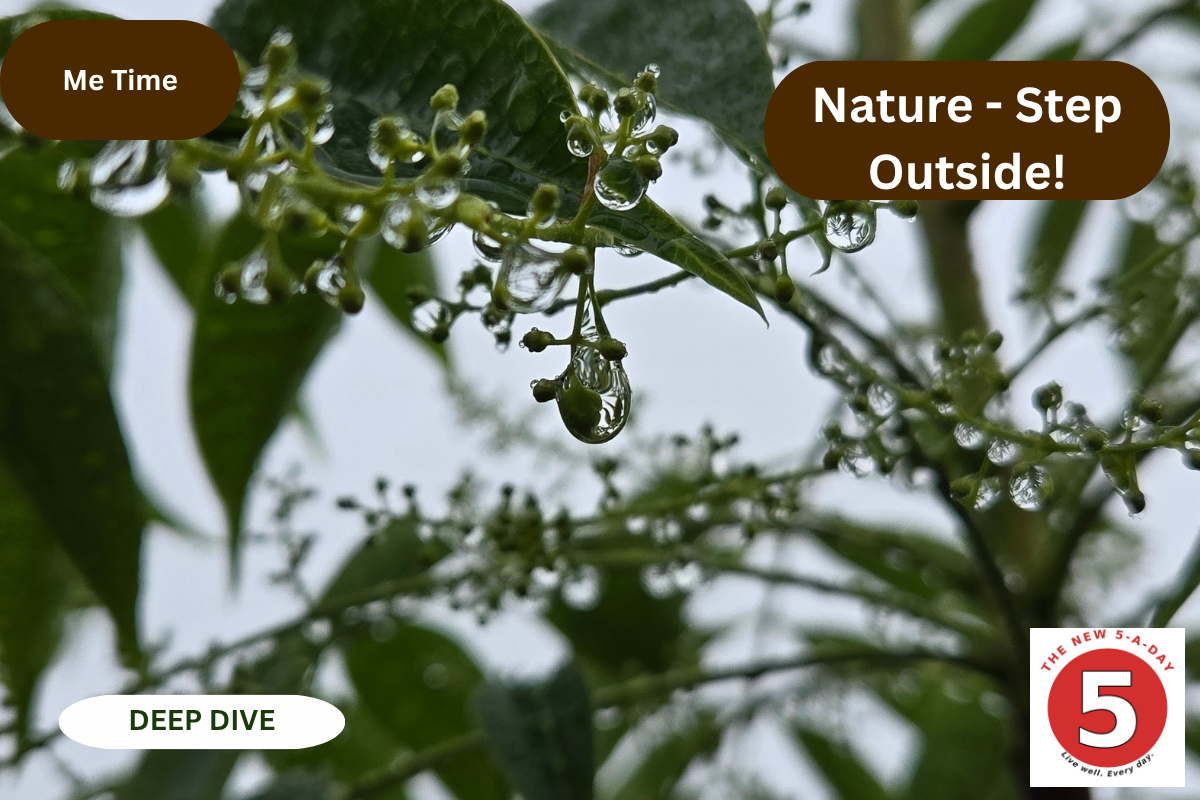
Nature, green space, and health: what the evidence actually shows
Exposure to green and blue natural environments is associated with consistent and replicable improvements in mental health, cognitive restoration, mood, and stress physiology. Epidemiological evidence links greater access to green space with lower rates of depression and anxiety, reduced blood pressure and cardiovascular risk, and lower all-cause mortality, independent of physical activity levels.

Mindful walking: be present with yourself and the world around you
Mindful walking is the simple practice of walking with your attention on what you are actually doing — your breath, your body, the world around you — rather than on the endless stream of thought that usually accompanies you. It costs nothing. It requires no equipment, no special location, and no particular fitness level. The research, while still developing, consistently points to meaningful reductions in stress and anxiety, modest improvements in mood, and a gentler kind of mental reset that most of us could use more of. This post is about what mindful walking is, why it works, and how to fit it into a life that already feels full.

Mindful walking and health: what the evidence actually shows
Across multiple systematic reviews and randomised controlled trials, mindful walking is consistently associated with small to moderate reductions in anxiety and perceived stress, and improvements in mood and state mindfulness. The neurological mechanisms are well-characterised: deliberate attentional focus during walking modulates activity in the prefrontal cortex and reduces amygdala reactivity, supporting a genuine physiological shift toward relaxation. Some evidence supports modest improvements in cardiovascular markers — including blood pressure in clinical samples — and cognitive function in older adults, but these findings come from smaller, methodologically limited studies and should not be overstated. Evidence for sleep and general-population blood pressure benefits, while biologically plausible, is not yet firmly established for mindful walking specifically. The practice is safe, low-impact, and well-suited to adults across the fitness and age spectrum, including sedentary and clinically vulnerable groups. No specialist equipment, location, or experience is required.