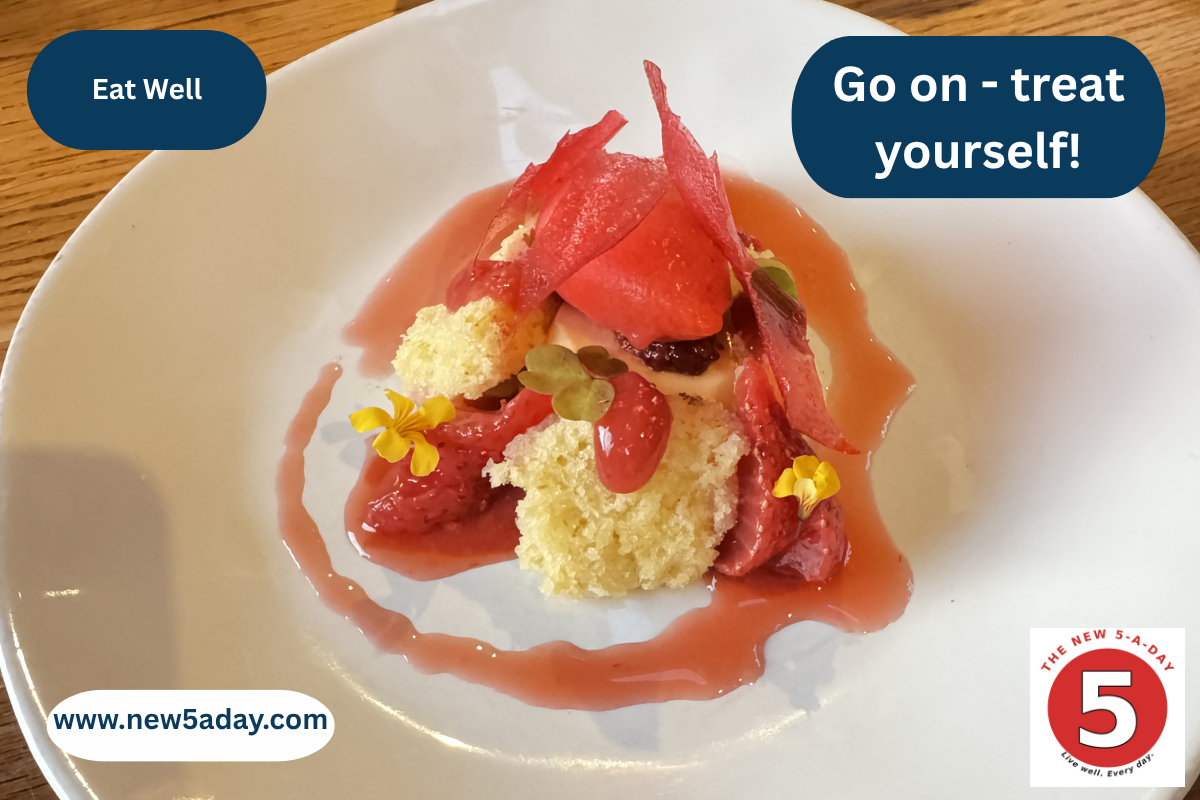
Go on - treat yourself!
A treat is not the enemy of a healthy diet — but it works best as the exception, not the rule. The foods you eat on a typical Tuesday have far more bearing on your health than the cake you had at Saturday's birthday party. When your everyday eating is built around nourishing, satisfying food, occasional treats fit in perfectly well. The problems arise when the treats gradually become the defaults. This post is about finding that line — and making the most of the right side of it.
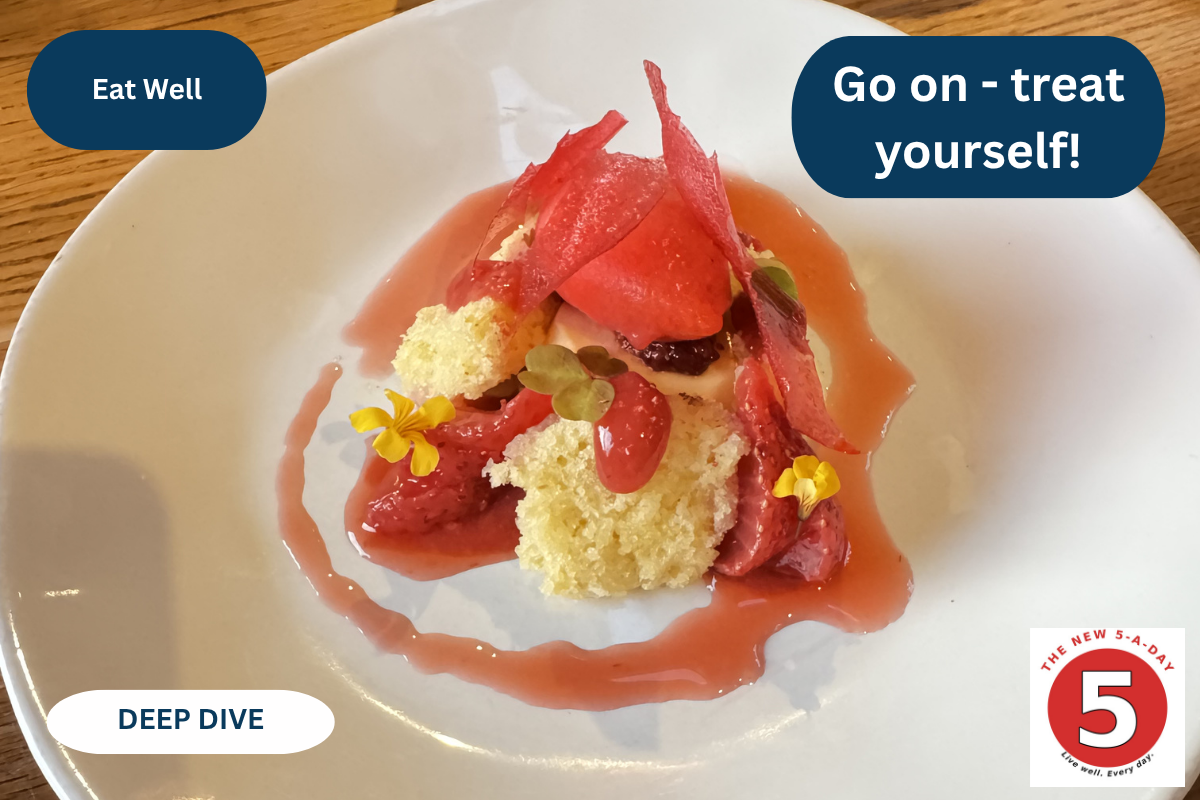
Treats, indulgence, and dietary patterns: what the evidence says
The scientific evidence on treats and dietary indulgence points consistently in one direction: overall dietary patterns are the primary determinant of diet-related health outcomes, and occasional discretionary foods — sweets, takeaways, cakes — have a minimal impact when consumed infrequently within an otherwise balanced diet. Problems arise when high-sugar, high-fat, or ultra-processed foods shift from occasional exceptions to habitual defaults, displacing nutrient-dense foods and elevating intake of added sugars, saturated fat, and sodium. The psychological evidence adds a further dimension: rigid dietary restriction tends to undermine long-term adherence, while flexible, pattern-based approaches support sustainability. The evidence does not support banning treats — it supports keeping them in their appropriate place.