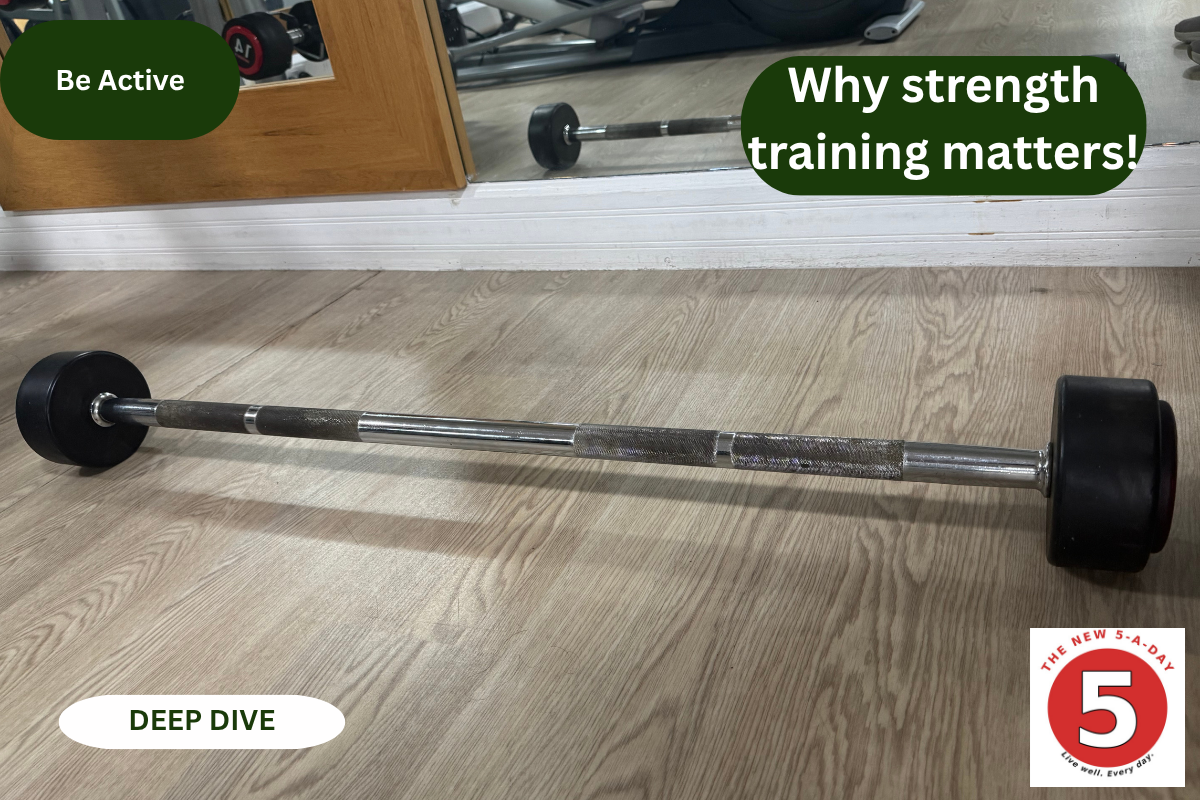
Resistance training and health: what the science actually says
Resistance training — any exercise that places muscles under load against an external resistance — is associated with a 10–20% reduction in all-cause mortality and lower rates of cardiovascular disease, type 2 diabetes, and several cancers, independent of aerobic exercise habits. The dose-response relationship is well-characterised: maximal risk reduction occurs at approximately 30–60 minutes per week of muscle-strengthening activity, with benefits plateauing or potentially diminishing at very high volumes. Two to three sessions per week targeting major muscle groups is both the evidence-supported and guideline-recommended target. The mechanisms through which resistance training confers health benefits include improvements in insulin sensitivity, increases in bone mineral density, preservation of lean mass against age-related sarcopenia, favourable shifts in body composition, and neurological adaptations that improve balance, coordination, and functional independence. Resistance training is safe and effective across the adult lifespan, including in older, frail, and osteoporotic populations, when appropriately progressed. No gym, specialist equipment, or high load is required: bodyweight and elastic resistance band protocols produce clinically meaningful improvements in strength, bone density, body composition, and functional capacity.